
"Ruiru 11"
400 article(s) found

Introduction to the characteristics of coffee producing areas in Kenya, graded flavor description, taste and origin.
Kenya Coffee production area characteristic practice grading Flavor description Taste Origin is fragrant, full-bodied, with fruit flavor, rich and perfect taste. Kenyan coffee has a wonderful fruit flavor, tastes like BlackBerry and grapefruit, and is a favorite of many coffee gluttons. This coffee has an excellent medium purity, crisp and refreshing taste. The flavor is fresh and the most suitable

Introduction to the flavor description characteristics of Kenyan Jinchugu coffee varieties and the treatment method of taste producing areas
It entered Kenya in the 19th century, when Ethiopian coffee drinks were imported into Kenya through southern Yemen. But it was not until the early 20th century that the bourbon was introduced by the St. Austen Mission (St.AustinMission). Kenyan coffee is mostly grown at an altitude of 1500m, 2100m, and is harvested twice a year. To ensure that only ripe berries are picked, people must be in the forest

Variety introduction, baking analysis and brewing suggestion of Komatina cranberry coffee producing area in Kenya AB
Professional coffee knowledge exchange more coffee bean information please follow the coffee workshop (Wechat official account cafe_style) KenyaAB Kiambu Gitwe Kenya AB Komatina cranberry production area: Qianbu Micro area: Gitwe soil: volcanic clay altitude: 1400 m-1800 m varieties: Lmur28, SL-34, Ruiru 11 treatment: Kenyan 72-hour washing 01 | production

Introduction to the price characteristics of the coffee flavor description of Kenya Jinchu Coffee with moderate Alcohol content
Kenya AA, round beans, thick flesh, good heat permeability, high precision, French baking, rich and sweet taste, mellow thickness, good expansibility, aroma and sweetness are top grade. People in the coffee industry all think that Kenyan coffee is one of its favorite products because Kenyan coffee contains every feeling we want from a good cup of coffee. It has

Introduction to the flavor of Kenyan coffee
Kenya Coffee Kenya Coffee Kenya is the origin of Arabica coffee trees in Kenya, but it was not until the beginning of the 20th century that coffee cultivation began. Missionaries introduced Arabica trees from the leaves in the 19th century, but did not plant them in large quantities. It was not until 1893 that coffee was cultivated on a large scale after the introduction of Brazil's ancient bourbon seeds.
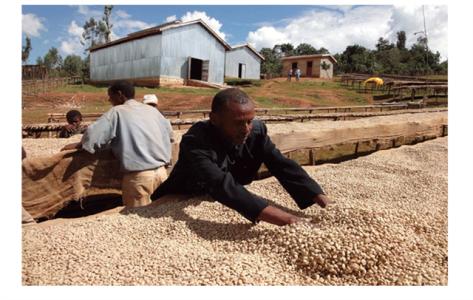
The flavor of Kenya's Kam Chu Valley coffee beans with strong fruit acids Description
Kenyan Coffee Bean The Kenyan government takes the coffee industry extremely seriously, and it is illegal to cut down or ring coffee trees here. Kenya's coffee buyers are world-class buyers of premium coffee, and no country grows, produces and sells coffee as consistently as Kenya. All coffee beans

Introduction of Kenyan Coffee with Fruit Flavor description of Grinding degree, Price and Flavor
It entered Kenya in the 19th century, when Ethiopian coffee drinks were imported into Kenya through southern Yemen. But it was not until the early 20th century that the bourbon was introduced by the St. Austen Mission (St.AustinMission). Kenyan coffee is mostly grown at an altitude of 1500m, 2100m, and is harvested twice a year. To ensure that only ripe berries are picked, people must be in the forest

Don't underestimate Kenyan coffee.
Kenya lies to the north of Ethiopia, the origin of Arabica coffee trees, but it was not until the early 20th century that it was engaged in coffee cultivation. In the 19th century, missionaries introduced Arabica trees from Yemen, but did not plant them in large quantities. It was not until 1893, when Brazil's ancient bourbon seeds were introduced, that coffee was cultivated on a large scale. That is to say, the current Kenyan coffee has Brazilian ancestry.

What are the characteristics of Kenyan coffee beans
There are two types of coffee farms in Kenya. One is a large plantation that covers an area of more than five acres, but the average elevation is low. In the case of Kenyan coffee, the coffee beans of the large farms are of medium quality. The best Kenyan beans come from small farms, most of which are located in the foothills or volcanic slopes above 5,000 to 6,000 feet. Each small farmer has a capacity of only 20 to 70 bags per season.

Can coffee be relieved at coffee farms in Kenya?
Kenya is bordered to the north by Ethiopia, the origin of Arabica coffee trees, but it was not until the beginning of the 20th century that coffee cultivation began. In the 19th century, missionaries introduced Arabica trees from the leaves, but did not plant them in large quantities. It was not until 1893 that coffee was cultivated on a large scale because of the introduction of Brazil's ancient bourbon seeds. That is to say, Kenyan coffee is of Brazilian origin, because of water.

Washed Kenyan Arabica Coffee
Kenya is bordered to the north by Ethiopia, the origin of Arabica coffee trees, but it was not until the beginning of the 20th century that coffee cultivation began. In the 19th century, missionaries introduced Arabica trees from the leaves, but did not plant them in large quantities. It was not until 1893 that coffee was cultivated on a large scale because of the introduction of Brazil's ancient bourbon seeds. That is to say, Kenyan coffee is of Brazilian origin, because of water.

Kenyan Coffee Origin Esopia Coffee production area introduces boutique coffee
Kenya is bordered to the north by Ethiopia, the origin of Arabica coffee trees, but it was not until the beginning of the 20th century that coffee cultivation began. In the 19th century, missionaries introduced Arabica trees from the leaves, but did not plant them in large quantities. It was not until 1893 that coffee was cultivated on a large scale because of the introduction of Brazil's ancient bourbon seeds. That is to say, Kenyan coffee is of Brazilian origin, because of water.

Kenya coffee production introduction three beans guest coffee roaster
Kenya borders Ethiopia to the north, where the Arabica coffee tree originated, but coffee cultivation did not begin until the early 20th century. Missionaries introduced Arabica trees from Yemen in the 19th century, but they did not plant them in large quantities until 1893, when they introduced the ancient seeds of Bourbon coffee from Brazil. Coffee in Kenya is of Brazilian descent.
What kind of coffee are there in Kenya coffee fruit producing areas? Kenya
Kenya Coffee is the origin of Arabica coffee trees in Kenya, but it was not until the beginning of the 20th century that it began to cultivate coffee. In the 19th century, missionaries introduced Arabica trees from leaves, but did not plant them in large quantities. It was not until 1893 that coffee was cultivated on a large scale after the introduction of Brazil's ancient bourbon seeds, that is, Kenyan coffee.

Kenya Coffee Bean Flavor Kenya Coffee Bean Origin Fine Coffee
Kenya borders Ethiopia to the north, where the Arabica coffee tree originated, but coffee cultivation did not begin until the early 20th century. Missionaries introduced Arabica trees from Yemen in the 19th century, but they did not plant them in large quantities until 1893, when they introduced the ancient seeds of Bourbon coffee from Brazil. Coffee in Kenya is of Brazilian descent.

Fragrant and full-bodied flavor description of Kenyan coffee beans introduction of varieties in manor area
Delicious coffee, in addition to pay attention to the appropriate temperature, but also have the right amount. Drinking coffee is not like drinking or juice, a full cup of coffee, watching it will lose interest in drinking. Generally, it is only seven or eight minutes full for the right amount, moderate amount of coffee will not only stimulate the taste, after drinking it will not have a greasy feeling, but endless aftertaste. At the same time, the right amount of coffee can appropriately promote the recovery of the body.

Kenya Coffee-introduce how to debug the coffee grinder
Kenya is bordered to the north by Ethiopia, the origin of Arabica coffee trees, but it was not until the beginning of the 20th century that coffee cultivation began. In the 19th century, missionaries introduced Arabica trees from the leaves, but did not plant them in large quantities. It was not until 1893 that coffee was cultivated on a large scale because of the introduction of Brazil's ancient bourbon seeds. That is to say, Kenyan coffee is of Brazilian origin, because of water.

Introduction to the treatment method of planting and developing History of single Bean Flavor description in Kenya
For the exchange of professional baristas, please follow the coffee workshop (Wechat official account cafe_style) Kenya Kenyan population: 44353000 Central Kenya produces the most coffee beans, of which the highest quality coffee beans also come from the central producing areas. At present, western Kenya is also interested in growing coffee, such as Kisi Kisii, Trans-Enzoya Trans-Nzoia, Keiba Keiyo, Malagua M.

Introduction to the flavor of Kenyan coffee
Kenya is bordered to the north by Ethiopia, the origin of Arabica coffee trees, but it was not until the beginning of the 20th century that coffee cultivation began. In the 19th century, missionaries introduced Arabica trees from the leaves, but did not plant them in large quantities. It was not until 1893 that coffee was cultivated on a large scale because of the introduction of Brazil's ancient bourbon seeds. That is to say, Kenyan coffee is of Brazilian origin, because of water.

Description of Kenyan Coffee Flavor with acidity and Fruit Flavor introduction to the characteristics of varieties
It entered Kenya in the 19th century, when Ethiopian coffee drinks were imported into Kenya through southern Yemen. But it was not until the early 20th century that the bourbon was introduced by the St. Austen Mission (St.AustinMission). Kenyan coffee is mostly grown at an altitude of 1500m, 2100m, and is harvested twice a year. To ensure that only ripe berries are picked, people must be in the forest